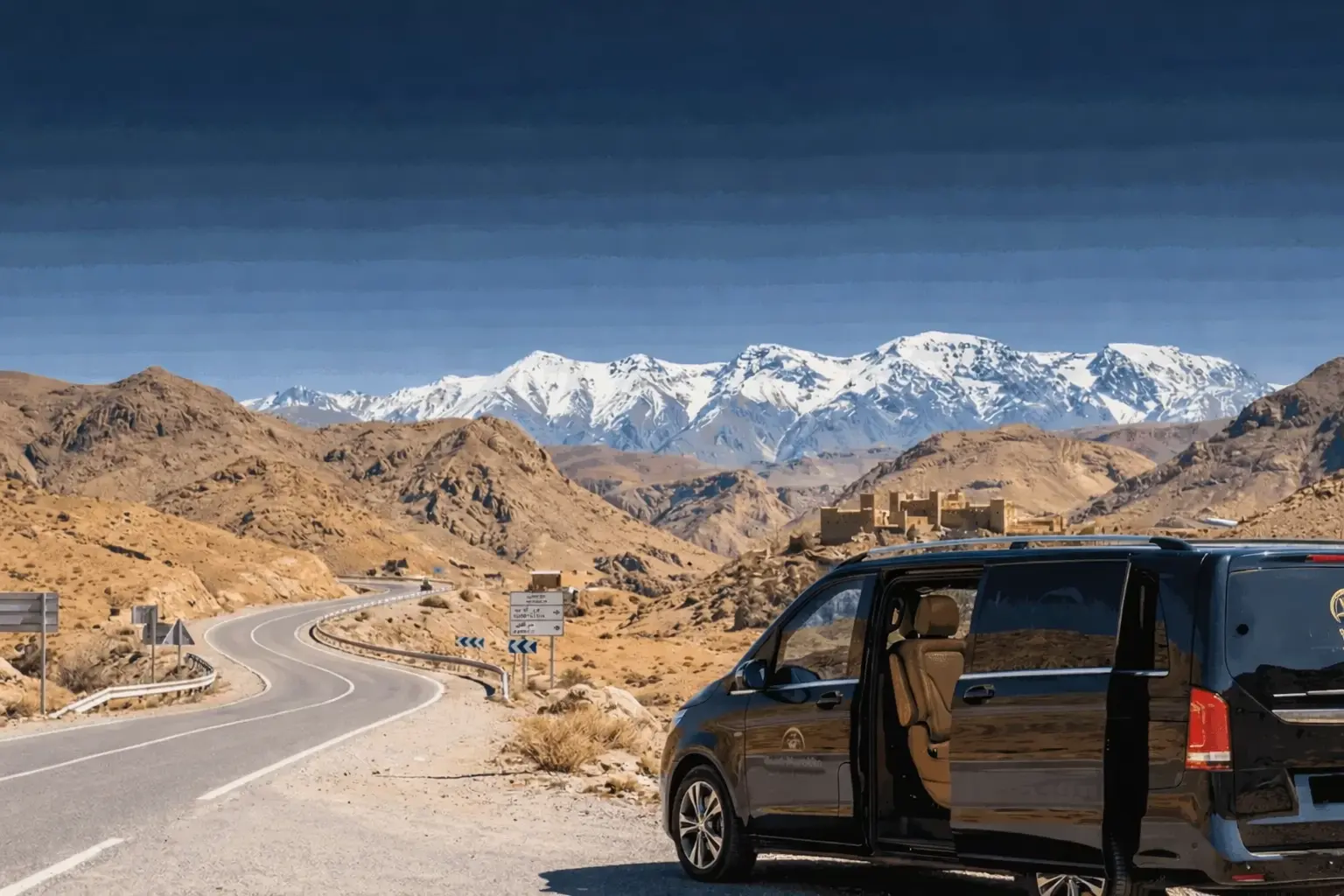
The absolute best time to visit Morocco is during the Spring (March to May) and Autumn (September to November) . During these months, temperatures range perfectly from 22°C to 28°C (71°F to 82°F). This is the ideal climate for exploring the Medina of Marrakech, trekking in the Atlas Mountains, or organizing a desert tour. Winter (Dec-Feb) guarantees bright blue skies and 20°C (68°F) days, making it a great escape from the cold, but nights drop near freezing. Summer (June-Aug) is extremely hot inland (often exceeding 40°C/104°F), so you should stick to the Atlantic coast (Agadir, Essaouira, Casablanca) to enjoy the ocean breeze.
B usting the Myth: "Isn't it 40°C (104°F) all year round?" This is the biggest misconception among travelers, especially those escaping the harsh winters of North America or Northern Europe. Too often, Morocco is stereotyped as an endless desert constantly baked by scorching heat.
The geographical reality is much more fascinating. The country is a true climatic crossroad, squeezed between the cold waters of the Atlantic Ocean, the mild Mediterranean Sea, the snow-capped peaks of the High Atlas, and the arid gates of the Sahara. What does this mean in practice? In the morning, you might need a thick fleece jacket for a mountain hike, but by the afternoon, you will be sitting on a sunny terrace in a t-shirt sipping mint tea. Make sure to read our complete Morocco packing list to master the art of layering.
If you have the flexibility to choose your vacation dates, look no further. Spring is undeniably the greatest time to visit Morocco.
After the winter rains, nature bursts into bloom. The valleys turn green, the almond trees blossom, and the thermometer shows a very comfortable 25°C (77°F) in the afternoon. This is peak tourist season and the perfect time for full cultural immersion without the exhaustion of extreme heat.
In summer, the climate changes drastically. Inland—in cities like Marrakech, Fez, or Ouarzazate—the heat becomes extreme and relentless. The thermometer in the shade regularly exceeds 42°C (107°F).
The Ultimate Summer Hack: Stay close to the water! The Atlantic coast is swept by the trade winds, a constant sea breeze that acts as nature's air conditioning. Whether you are enjoying a shore excursion in Casablanca , exploring Tangier, or surfing in Agadir, you will enjoy a highly comfortable 25°C to 28°C (77°F to 82°F). If you must travel inland, ensure you book private VIP transport with strong air conditioning .
Autumn is the best-kept secret of experienced travelers. The oppressive summer heat finally leaves the mainland, making exploring the souks and markets enjoyable once again.
This season comes with multiple perks. The golden lighting is exceptional for photography, and the desert nights remain warm enough for unforgettable camping experiences. But autumn's biggest trump card is the ocean. Having absorbed the sun all summer, the water reaches its peak temperature (around 22°C to 24°C / 71°F to 75°F in September and October).
Winter offers luminous days with bright blue skies and daytime temperatures hovering around 18°C to 20°C (64°F to 68°F). This is a fantastic climate for city walks, cultural tours, or playing golf without breaking a sweat.
However, be cautious after dark. As soon as the sun sets, the temperature amplitude hits hard. In Marrakech, and especially near the Sahara, temperatures drop sharply, frequently approaching 0°C (32°F) at night. Since traditional Riads lack central heating, packing warm pajamas is strictly required.
Planning an itinerary? We will help you organize a private tour and provide premium, climate-controlled vehicles to ensure your absolute comfort, no matter the season.
Message Us on WhatsApp