O rganizing an independent trip to North Africa often raises a lot of questions. Morocco is an incredibly colorful, vibrant, and dynamic country that requires minimal but highly precise preparation. Over the past twenty years of working in the Moroccan tourism industry, we have seen thousands of travelers. Those who came prepared took home the best memories. Those who left everything to chance often faced unnecessary stress.
In 2026, the Kingdom has become an absolute leader among travel destinations, confidently competing with traditional European spots. Many tourists today wonder where to go, and we have analyzed this phenomenon in our article Morocco vs Turkey: An Honest 2026 Comparison . If you have chosen the Maghreb, consider this guide your travel bible.
Every journey starts with a passport. The great news is that bureaucratic hurdles are minimal for Western tourists. However, there are strict rules regarding your document's validity. Before buying tickets, be sure to read the complete entry rules and 90-day visa-free requirements .
After checking your passport, you must choose the season. The country is bordered by the ocean and the sea, crossed by mountain ranges, and touches the great Sahara Desert. The climate here is extremely diverse. To avoid ending up in snowy mountains in summer shorts or suffering from the August heat in Marrakech, study our detailed monthly weather guide .
Morocco is a progressive Islamic state. There are no strict legal restrictions on clothing for tourists, but there is a cultural etiquette that will make your stay much more comfortable. Choosing the right fabrics will save you from the heat, and covering your shoulders will save you from unwanted stares in the old Medinas.
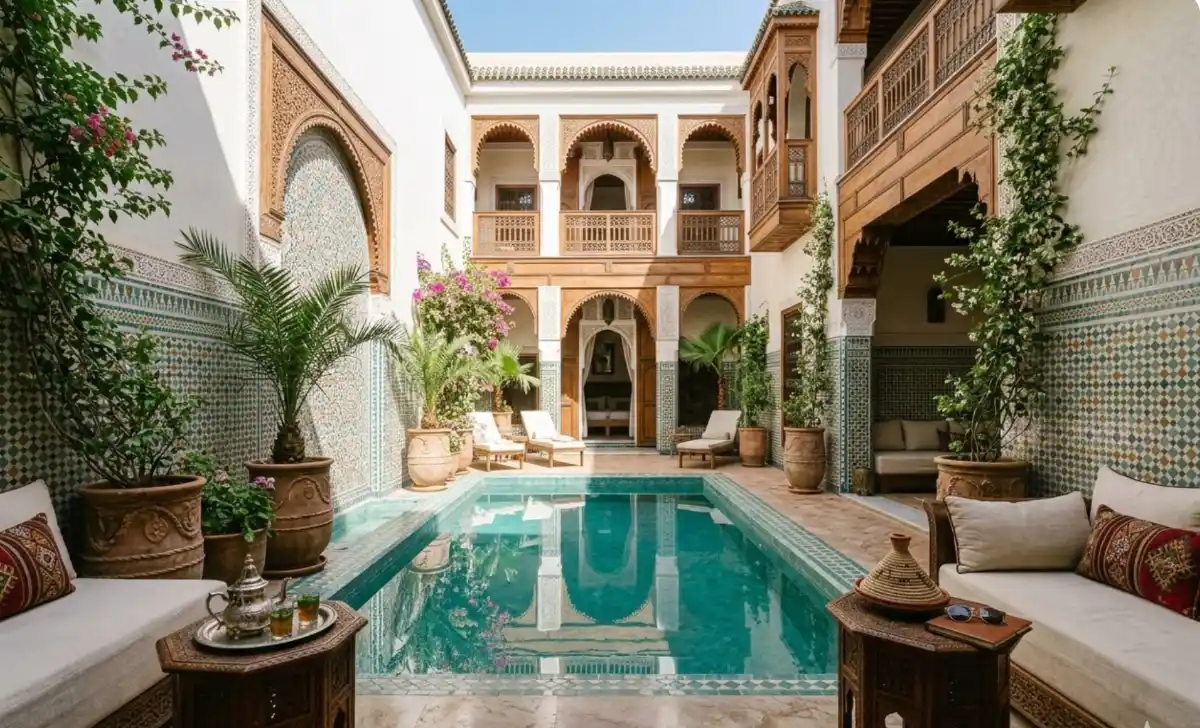
Furthermore, the architecture of traditional houses (Riads) requires a specific approach to your wardrobe, especially during the winter months. We have compiled an ultimate packing list and dress code guide that will help you pack the perfect suitcase without excess baggage.
Most international flights land at Mohammed V Airport (CMN) in Casablanca. It is a massive transport hub. Many tourists make the mistake of wasting hours in the transit zone waiting for a connecting flight.
For those arriving by sea, the rules for entering the city have changed. If your cruise ship is making a port of call, it is vital that you read our instructions on port exits and transport for cruise passengers .
Intercity logistics in 2026 are superbly developed. You can cross the country on the high-speed Al Boraq train, use the comfortable CTM bus network, or rent a car with a private driver for a journey to the Merzouga dunes.
Each mode of transport has its nuances, prices, and booking rules. To avoid overpaying local taxi drivers and to build the perfect route from Rabat to Marrakech, read our comprehensive overview of transportation in Morocco .
This is perhaps the most critical aspect of your trip. In 2026, digital technologies are everywhere, but Moroccan street culture still relies heavily on cash. You will need to exchange currency, calculate tips, and understand the pricing psychology.
Be sure to read our guide on currency exchange and bank cards . It will save you from predatory ATM conversion fees.
Finally, the East is famous for its bargaining skills. Although Morocco is a very safe country regarding violent crime, tourist scams (small tricks and rip-offs) are common. Knowing how to spot a fake guide or avoid a rigged taxi meter will save you hundreds of dollars. All this information is gathered in our article on safety and avoiding tourist scams .
No, local tap water contains minerals that foreigners are not used to. Always buy bottled water (brands like Sidi Ali or Ain Atlas), and use it even for brushing your teeth.
Morocco uses standard European 2-pin round plugs (Type C and E) with 220V. If you are traveling from the US, UK, or Canada, you will need an adapter for your chargers.
Yes, but only in licensed hotels, tourist bars, and special closed sections of large supermarkets (like Carrefour). Drinking alcohol on the street is strictly prohibited by law.
Absolutely not. Drones are strictly illegal in Morocco. The device will be permanently confiscated by customs at the airport, and you will face a heavy fine.
It is sufficient to follow the simple rule of keeping shoulders and knees covered (loose t-shirts, midi dresses, linen trousers). Female tourists are not expected or required to wear a headscarf.
For a comfortable trip (staying in a nice Riad, eating at good restaurants, and taking taxis), expect to spend around €60–€90 ($65-$100) per day per person, excluding flights.
Yes, the central tourist streets are well-lit and patrolled by a dedicated tourist police force. However, after 10 PM, it is recommended to avoid wandering into deep, dark, and empty residential alleys.
The main language for business and tourism is French. In major tourist areas like Marrakech and Agadir, merchants and hospitality staff also speak basic English very well.
Only with their explicit permission. Many Moroccans (especially the older generation and artisans in the markets) react very negatively to being photographed without being asked.
We offer fully customized, "turnkey" trips. From VIP airport transfers in a Mercedes Vito to booking the best authentic restaurants and expert English-speaking guides. Trust your vacation to the experts.
Contact Us on WhatsApp